
Depleted Mother Syndrome: Signs, Symptoms, and Why So Many Moms Feel Exhausted, Angry, or Numb

This Experience Has a Name
There’s a kind of exhaustion as a mom that sleep doesn’t fix.
You’re still showing up.
Still taking care of everyone.
Still getting things done.
But something feels wrong.
And it’s hard to explain exactly why.
Nothing is obviously falling apart.
But something about how you’re moving through your days feels heavier than it used to.
You might find yourself thinking:
Why am I so irritable with my kids?
Why do I feel emotionally numb sometimes?
Why does motherhood feel so overwhelming?
If you’ve had those thoughts, you’re not alone.
Many mothers experience this pattern, and there’s a growing name for it: depleted mother syndrome.
It doesn’t always look like falling apart.
More often, it looks like functioning… but at a cost.
What Is Depleted Mother Syndrome?
Depleted mother syndrome is a form of parent burnout where mothers feel emotionally, mentally, and physically exhausted due to ongoing caregiving demands. It often includes irritability, numbness, overwhelm, and feeling disconnected from daily life; along with the painful sense that you’re showing up as a very different parent than you want to be, or than you once were before becoming so depleted.
It’s not an official diagnosis.
But it is a very real experience, especially for mothers who are carrying the invisible, constant load of parenting. This experience is closely related to parent burnout.
At its core, it happens when:
The demands placed on you and your parenting role consistently exceed the support and capacity you have to meet them over time.
What Causes Depleted Mother Syndrome?
Depleted mother syndrome is caused by a combination of chronic stress, invisible mental load, lack of support, sleep deprivation, and ongoing emotional demands that exceed a mother’s capacity to cope.
What Are the Signs of Depleted Mother Syndrome?
Common depleted mother syndrome signs include chronic exhaustion, irritability, emotional numbness, overwhelm, and disconnection.
7 Signs of Depleted Mother Syndrome
Constant exhaustion, even after rest
Irritability or snapping at your kids
Emotional numbness or disconnection
Feeling overwhelmed by small tasks
Guilt or feeling like you’re not doing enough
Loss of identity outside of parenting
Going through the motions without feeling present
These depleted mother syndrome symptoms often show up gradually, which is why many mothers don’t recognize burnout right away. Additionally, moms often miss signs of burnout because it doesn’t always look like collapse.
Often, it looks like functioning… but barely.
If you’re noticing several of these depleted mother syndrome symptoms, it may help to explore a more complete review of the critical signs of parent burnout.
Why Do I Feel So Angry or Numb as a Mom?
Mothers often feel angry or emotionally numb when their nervous system is overwhelmed or overextended. Chronic stress can push the body into survival states like irritability or anger (fight); anxiety or withdrawal (flight); or shutdown (freeze), especially when demands consistently exceed available support.
If you’ve been wondering why your reactions feel stronger, or your emotions feel harder to access, you’re not imagining it.
There’s a reason this happens.
Why Am I So Irritable With My Kids?
Irritability is one of the most common signs of depleted mother syndrome. Yet, this is one of the most overlooked depleted mother syndrome symptoms, because it doesn’t always look like traditional burnout.
Although many moms may feel guilt or shame for being harsh or impatient with their kids, irritability is generally a symptom of parental burnout, not a character flaw.
It’s often what happens when:
your capacity is stretched too thin
your nervous system is overloaded
you’ve been giving more than you have to give
you don’t have enough opportunity to replenish your reserves
When your system is under constant pressure, and your reserves are depleted, even small demands can feel like too much.
So you react faster.
More intensely.
Sometimes in ways that don’t feel like you, and that you do not feel good about.
Why Do I Feel Emotionally Numb as a Mother?
Emotional numbness is often a protective response, not a lack of love.
If you’ve been feeling disconnected, flat, or like you’re just going through the motions, it doesn’t mean something is wrong with you.
There’s a reason this happens.
Your nervous system is constantly scanning for problems to solve and situations to manage, especially as a parent.
It helps you:
anticipate needs
prevent problems
manage emotions in the household
respond quickly when something goes wrong
But when your system has been on for too long, without enough time to rest, it starts to shift.

Staying in constant alert mode is not sustainable, so it may begin to shut things down to conserve energy.
This can look like:
going through the motions without feeling your emotions
feeling disconnected from others, from your interests, or from yourself
struggling to feel joy or presence
It’s not that you don’t care.
It’s that your system is trying to conserve energy after being pushed past its limits, without adequate opportunity to restore itself.
For some mothers, this emotional dampening can also affect feelings they want to be able to access, including interest, enjoyment, affection, and connection with their children. If you know that you love your kids but have been struggling to actually feel that connection in the ways you expect to, I explore this more deeply in mom burnout and emotional numbness, including why exhausted mothers can begin to feel emotionally disconnected.
Why This Happens (And Why It’s Not Your Fault)
When your system detects, or even anticipates, stress or problems, it automatically shifts into survival mode.
Your autonomic nervous system is the part of your nervous system that controls responses you don’t have to consciously think about. At its most basic level, its job is to help you stay safe.
It’s constantly working in the background to:
notice potential problems
anticipate what might go wrong
respond quickly to keep things from escalating
For many parents, this can show up as:
staying alert to a child’s mood shifting
having the right snack ready after school
stepping in to manage conflict between family members
At first, this shows up as mobilization:
Fight — reactivity, impatience, anger, snapping
Flight — anxiety, restlessness, over-functioning to anticipate and avoid problems
These responses are your body’s way of trying to handle what’s in front of you, either by pushing through it or trying to stay ahead of it.
But when this state happens too often, for too long, without enough time to recover, your system begins to shift to a different mode to ride out the chronic stress. Instead of staying in constant mobilization, it starts trying to conserve energy by shutting things down.
You might see or feel:
Shutdown (freeze) — immobilization, exhaustion, disconnection, even if you still feel a sense of urgency inside
Fawn — trying to keep the peace by focusing on everyone else’s needs; losing awareness of your own
Many mothers spend a lot of time here; taking care of everything and everyone, while slowly losing touch with their own needs and capacity.
You might still be getting things done.
Still showing up.
But underneath, your system is shutting parts of you down; trying to conserve energy after being pushed too far, for too long.
These responses are automatic survival strategies, not conscious choices.
What you’re experiencing isn’t a failure of who you are. It’s a reflection of how much your system has been managing, and how little opportunity it’s had to rest, restore, or recover.
Why This Can Feel Confusing
Many mothers expect burnout to look like:
obvious exhaustion
breaking down
not being able to function
But often, it looks like:
still showing up
still managing everything
but feeling worse over time
That disconnect is what makes people question themselves:
“Why am I reacting like this?”
“Why don’t I feel like myself anymore?”
What This Means For You
If you’re feeling more irritable, more reactive, or more disconnected than you want to be;
It doesn’t mean you’re a bad mother or that you’re doing something wrong.
It means:
Your current load may be exceeding what your system can sustainably handle.
And understanding why this happens is an important first step toward change.
Why So Many Mothers Feel Depleted
Depleted mother syndrome isn’t just about “stress.”
It’s about chronic imbalance.
The invisible load
Mothers often carry:
planning
anticipating needs
meeting needs
managing schedules
emotional regulation for the family
Much of this work is unseen, but constant.
The emotional load
You’re not just doing tasks, you’re:
soothing
mediating
remembering and keeping track
preparing
worrying
holding everything together emotionally
The “default parent” role
Many mothers become the go-to for everything:
logistics
emotional needs
physical needs
social support
problem-solving
Which means you rarely get to fully “turn off.”
Constant demands, limited recovery
There are often no true breaks.
Even rest usually comes with mental load attached.
These patterns are often explored more deeply in conversations about what causes parental burnout, especially when invisible load and emotional labor are involved.
Additionally, many moms, particularly those parenting neurodivergent children, are navigating not just high demands, but strategies and expectations that don’t actually fit their child.
That mismatch can quietly intensify burnout over time.
This disconnect is discussed in greater depth when considering why standard parenting advice fails neurodivergent families.
Why This Isn’t Just Burnout; It’s Nervous System Overload
What many people call “burnout” is often actually nervous system overload.
It’s not just that you’re tired, it’s that your system has been cycling through stress responses for too long without the time that it needs to sufficiently recharge and recover.
That’s why you might notice things like:
reacting faster than you want to
feeling drained even when nothing major happened
struggling to access patience or calm
Your system isn’t failing you, it’s responding exactly the way it’s designed to under prolonged stress.
Your autonomic nervous system is built to keep you safe.
When it senses threat, or even the risk of running out of energy, it automatically shifts into protective mode:
pushing away perceived threats
conserving energy where it can
It doesn’t distinguish between a true imminent danger and the ongoing demands of parenting.
So when your system is depleted, even everyday moments like noise, conflict, constant needs, can start to feel like too much.
And the responses that follow aren’t a reflection of your character or your values.
They’re automatic survival responses from a system that’s been under strain for too long. This is why understanding Polyvagal Theory and parent burnout can be so helpful; it explains how your nervous system shifts under chronic stress.
Why Mothers of Neurodivergent Kids Burn Out Faster
If you’re parenting a neurodivergent child (neurodivergence might be identified as ADHD, autism, anxiety, twice-exceptional, gifted, language or sensory processing differences, learning differences, NVLD, PDA, etc.), the demands are often even higher.
These can include:
increased advocacy (school, services, systems, extended family, friends)
navigating misunderstandings or lack of support
higher physical, emotional, and sensory demands
supporting community engagement
coaching and translating social interactions
constant adaptation and problem-solving
Many parents in this situation aren’t just parenting, they’re anticipating, preparing, coordinating, advocating, and regulating at a much higher level.
This sustained level of demand significantly increases the risk of burnout.
This is often described as neurodivergent parent burnout, where the ongoing demands of support, advocacy, and regulation are consistently higher.
Do I Have Depleted Mother Syndrome?
If you’re reading this and thinking, “This sounds like me…”, you’re not alone.
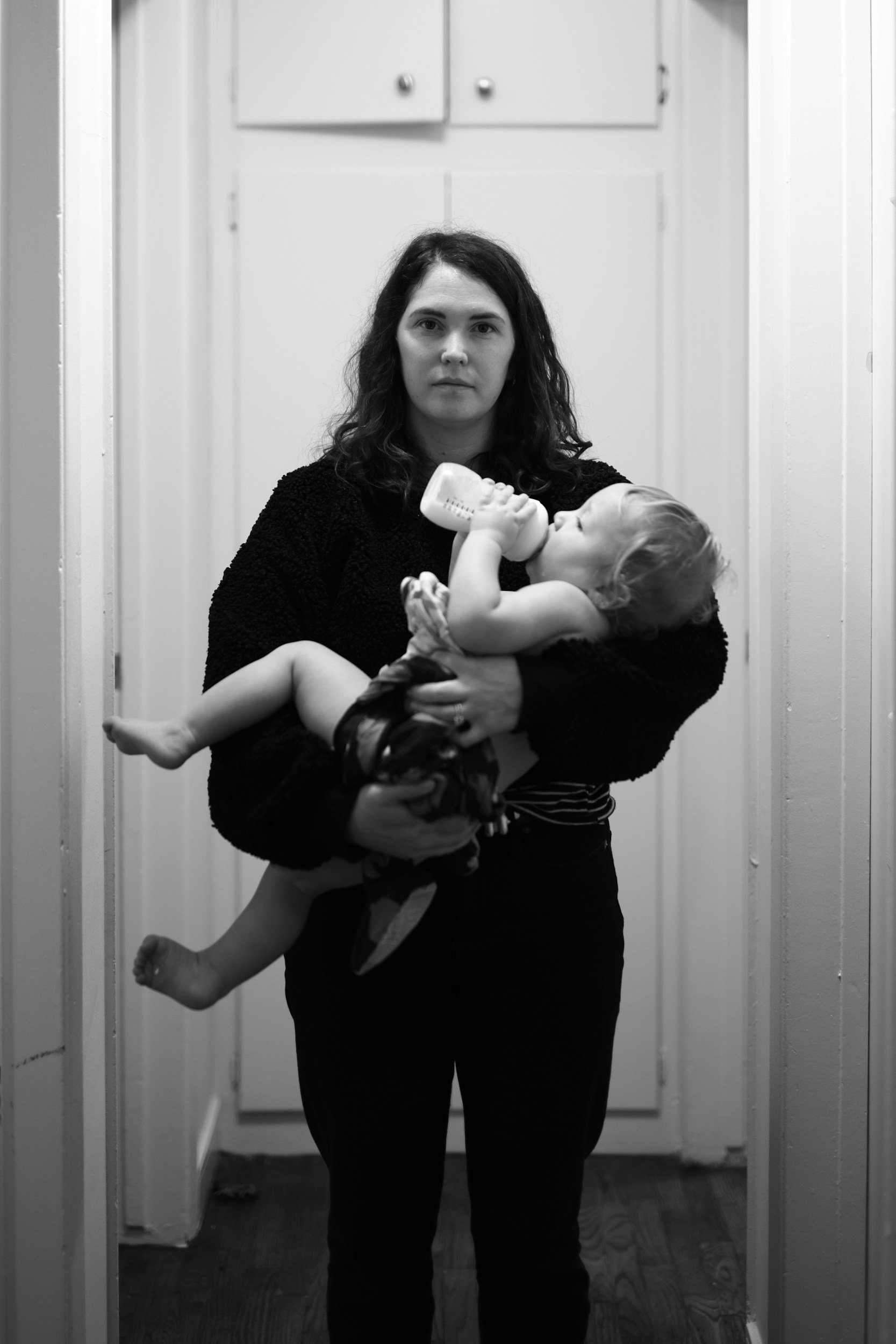
Although depleted mother syndrome isn’t a formal clinical diagnosis, many mothers use this term to describe a very real experience of ongoing exhaustion, overwhelm, and emotional disconnection; often linked to parent burnout and nervous system overload.
You may experience this pattern if you feel constantly or frequently exhausted, irritable, emotionally numb, overwhelmed by small tasks, and disconnected from yourself or your children.
Many mothers don’t realize they’re burned out because they’re still functioning.
They’re still showing up.
Still getting things done.
Still taking care of everyone else.
But underneath that, they do not feel steady or okay.
If this feels familiar, it can be hard to tell how much of what you’re experiencing is just stress, and how much is something deeper.
Taking a quick parental burnout quiz can help you get a clearer sense of where you are, and what might actually help.
Signs You May Be Experiencing Depleted Mother Syndrome
These depleted mother syndrome symptoms can show up gradually, which is why many mothers don’t recognize burnout right away.
You feel drained or exhausted most of the time, even when you’ve had rest
You’re more irritable or reactive than you want to be
You feel emotionally numb or disconnected at times; you may struggle to remember feeling joy
Small tasks feel overwhelming or harder than they should
You feel like you’re constantly “on” with no real break
You’ve lost a sense of who you are outside of being a parent
You feel guilty for struggling, even though you’re doing the best that you can under the circumstances
Why Many Mothers Don’t Recognize Burnout Right Away
Mothers may miss burnout in part due to the same circumstances that pushed them into burnout, and the symptoms of being in burnout.
Moms who are focused on the overwhelming and ongoing needs of their children and family without enough support, and who are almost always “on” rarely have time to sit and reflect on how they themselves are doing.
Moms in burnout have also often been keeping their heads above water and coping by minimizing or tuning out their own physical and emotional experiences. In combination, these can make it very difficult to notice and name the experience of mom burnout.
It can also be difficult for mothers to understand the significance of their depletion or for others to recognize the problem because depleted mother syndrome doesn’t always look like falling apart.
More often, it looks like:
pushing through
holding everything together
reacting, but having this labeled as a “bad mood”
functioning… but at a cost
Which is why many mothers don’t realize how depleted they are until:
they feel emotionally shut down
their patience is gone
everything starts to feel harder than it used to
their own behavior alarms them
or they feel desperate, hopeless, or like they want to escape
The Impact of Depleted Mother Syndrome
When burnout goes unaddressed, it can affect:
your relationship with your children
your partnership
your sense of self
your emotional well-being
It can lead to:
resentment
disconnection
increased stress
loss of joy
Which is why recognizing it early matters.
This Isn’t Just Something Mothers Experience
Although this article focuses on mothers, this pattern isn’t limited to moms.
Many other caregivers and fathers experience similar patterns of burnout; often showing up as anger, withdrawal, or emotional disconnection.
If that perspective feels relevant, you can read more about depleted dad syndrome and how burnout shows up for many fathers.
How Do You Fix Depleted Mother Syndrome?
To begin to recover from depleted mother syndrome, you need to reduce demands, increase support, regulate your nervous system, and address the underlying imbalance between what you’re carrying and what you can sustain.
Many approaches to depleted mother syndrome treatment focus on self-care alone, but real recovery requires addressing the underlying imbalance between what you’re carrying and what you can sustain.
4 Ways to Start Recovering from Depleted Mother Syndrome
Recovery from depleted mother syndrome doesn’t happen all at once, but there are clear, practical ways to begin shifting out of burnout.
1. Reduce the invisible load
Burnout isn’t just about doing too much; it’s about carrying too much mentally and emotionally.
This might mean:
delegating responsibilities
lowering unrealistic expectations
letting some things be “good enough”
2. Rebalance demands and capacity
Depleted mother syndrome happens when:
Your daily demands consistently exceed your available energy, time, and support.
Recovery starts by shifting that balance, not just by pushing yourself harder.
3. Support your nervous system
If your system is stuck in survival mode, willpower won’t fix it.
Small changes can help:
creating moments of pause
reducing constant stimulation
building in real recovery time
seeking healthy activities that comfort or bring enjoyment to your nervous system
Even micro-moments of peace, rest, ease, joy, or connection for your nervous system can add up over time to make a difference that you can feel.
4. Get the right kind of support
You don’t have to figure this out alone.
Support might include:
practical help at home
emotional support
community resources that provide direct or indirect support for you, your child, or your family
structured guidance designed specifically for parental burnout
With more support to help you meet your parenting demands, your personal load lightens.
As you explore how to recover from mom burnout, you will likely find that this approach is more effective than typical depleted mother syndrome treatment advice, which often focuses only on self-care instead of addressing the root causes.
When You Need More Than “Self-Care”
Most advice for mom burnout focuses on:

bubble baths
taking breaks
“just practicing self-care”
But if the structure of your life is overwhelming, small fixes won’t be enough.
You need support that actually helps you:
reduce the load
rebuild capacity
create something sustainable
A Next Step That Can Help
Taking a brief parental burnout quiz can help you get a clearer picture of what’s going on, and what kind of support might actually make a difference.
It can help you understand:
how depleted you may be
what patterns are showing up
and what your next steps could look like
Take the parental burnout quiz (it’s quick and free).
What Recovery Actually Looks Like Over Time
Recovery isn’t about becoming a “better” or more efficient parent.
It’s about creating a life that is sustainable.
Over time, this often involves:
reducing unrealistic expectations
redistributing responsibilities where possible
understanding your limits without shame
building support systems that actually support you
learning how to work with your nervous system, not against it
If you’re looking for more structured support, this is exactly what the parental burnout course is designed to help with, especially for parents of neurodivergent kids.
If You Feel Like You’re Failing as a Mom, Read This
If you’re here, it likely means:
You care deeply
You’ve been trying hard for a long time
And you’re running out of energy, not love
What you’re experiencing is not a representation of who you are as a parent or as a person at your core.
It’s a reflection of how much you’ve been struggling to manage without the resources and support that you need to maintain enough balance.
Burnout happens when all that you are trying to hold becomes too much, and you can’t get the help that you need to manage it all; or the breaks that you need to rest and recharge. It can be tempting to jump to the conclusion that this simply means that you’re not good enough; but the reality is that “you” are only one part of the equation. Support, knowledge, resources, expectations and demands, and many other factors are also influencing your overall experience of burnout.
With the right support, understanding, and changes, the imbalance can shift, and it can get better.
Frequently Asked Questions About Depleted Mother Syndrome
What is depleted mother syndrome?
Depleted mother syndrome is a form of parental burnout where moms feel emotionally, mentally, and physically exhausted due to ongoing caregiving demands.
What are the signs of depleted mother syndrome?
Signs include chronic exhaustion, irritability, emotional numbness, overwhelm, guilt, and feeling disconnected from daily life.
How do you fix depleted mother syndrome?
You can recover by reducing demands, increasing support, regulating your nervous system, and addressing the imbalance between stress and capacity.
Is depleted mother syndrome real?
Yes. While not a formal diagnosis, it describes a widely recognized experience of parental burnout among mothers.
If This Is Where You Are, You’re Not Alone, and It Can Change
If you’ve recognized yourself in this, it doesn’t mean something is wrong with you.
It means you’ve been carrying more than your system can sustainably hold—often for longer than anyone realizes.
And when you begin to understand that, something important shifts.
You stop asking:
“What’s wrong with me?”
And start asking:
“What needs to change so this becomes something I can actually sustain?”
Recovery doesn’t come from trying harder.
It comes from:
reducing the load
increasing support
creating something that works for your capacity and circumstances
And with the right support, understanding, and changes, that shift is possible.
